
What is the Best Diet for Longevity? A No-Nonsense Guide to Eating for Extra Years
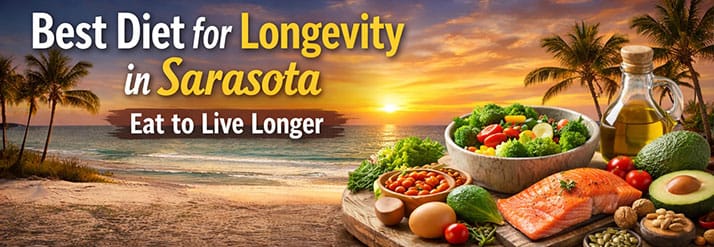
Best diet for longevity in Sarasota starts with a simple truth: nobody gets out alive—but how you live along the way is largely determined by what you put into your body.
The difference between thriving into your 80s and struggling with chronic disease often comes down to daily nutrition choices. The surprising part? The best longevity diet isn’t complicated—it’s consistent, practical, and sustainable.
The Longevity Diet Framework
Caloric Restriction with Nutritional Optimization
One of the most consistent findings in longevity research is that eating slightly less—without malnutrition—can extend lifespan. Caloric moderation improves mitochondrial efficiency, reduces oxidative stress, and activates cellular repair mechanisms.
When your body isn’t constantly processing excess calories, it can prioritize repair and regeneration—two key drivers of long-term health.
Plant-Forward, Not Plant-Only
The Mediterranean diet remains one of the most effective models for longevity. It emphasizes vegetables, fruits, legumes, whole grains, nuts, and healthy fats.
Plants provide essential compounds like polyphenols and flavonoids that support anti-aging pathways and reduce inflammation. You don’t need to eliminate animal foods—but plants should dominate your plate.
Protein: The Goldilocks Zone
Protein intake must be balanced. Too little leads to muscle loss, while too much—especially from certain sources—can accelerate aging pathways.
A good target is 0.5–1 gram per pound of lean body weight. Focus on high-quality sources like fish, eggs, legumes, and seeds. Muscle mass is one of the strongest predictors of longevity—protect it.
Healthy Fats Are Essential
Healthy fats support brain function, hormone balance, and cellular health. Prioritize omega-3 fatty acids and monounsaturated fats.
Top sources include olive oil, avocados, nuts, seeds, and fatty fish like salmon and sardines.
Minimize Refined Carbohydrates
Highly processed foods and refined sugars disrupt blood sugar regulation and accelerate aging. They promote inflammation and metabolic dysfunction.
Stick with whole-food carbohydrate sources like vegetables, legumes, and properly tolerated grains.
Intermittent Fasting and Timing
Time-restricted eating can activate autophagy—your body’s natural cellular cleanup system. A 12–16 hour overnight fast is often enough to support metabolic health and repair processes.
What Longevity Research Shows
The world’s longest-living populations—often studied in Blue Zones—share common patterns:
- High intake of vegetables and fruits
- Legumes as a primary protein source
- Minimal processed foods
- Moderate caloric intake
- Low refined sugar consumption
- Strong social and lifestyle habits
These patterns consistently show that longevity isn’t about extremes—it’s about consistency.
Your Sarasota Longevity Nutrition Blueprint
- Base meals on whole, plant-based foods (60–75% of intake)
- Prioritize quality protein sources daily
- Include healthy fats in most meals
- Minimize processed foods
- Maintain a healthy caloric balance
- Stay hydrated with clean water
- Stay physically active
The Bottom Line
The best diet for longevity in Sarasota isn’t a trend—it’s a sustainable, evidence-based approach to eating that supports your body over decades.
Whole foods, balanced nutrition, and consistency are the real drivers of long-term health and vitality.
If you’re looking to go beyond diet alone, advanced therapies like peptide therapy and hormone optimization can further support longevity outcomes.
For a more comprehensive approach, explore how functional medicine addresses root causes of aging and chronic disease.
Weight management also plays a key role—learn more about medically supervised weight loss programs designed for sustainable results.
You can also explore advanced options in anti-aging and regenerative treatments to complement your nutrition strategy.
External Resources

OFFICE HOURS
Monday
10:00am – 5:00pm
Tuesday
10:00am – 5:00pm
Wednesday
10:00am – 5:00pm
Thursday
10:00am – 5:00pm
Friday
10:00am – 4:00pm
Saturday and Sunday
Closed

