
Foods That Burn Fat: What the Science Actually Says (Spoiler: The Answer Will Disappoint You)
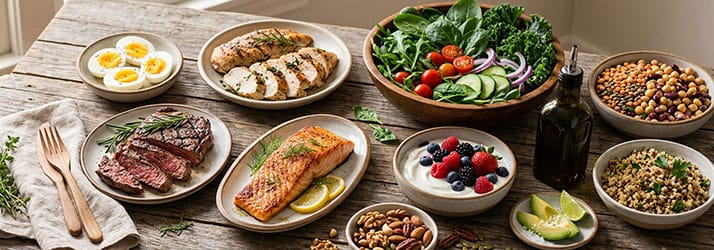
Before we dive in, let me demolish the central myth: there is no food that “burns fat” in the way people imagine — and most of what you’ve read about foods that burn fat is marketing fiction, not medicine. No magical superfood is going to torch calories like a blast furnace while you’re sitting on your couch watching Netflix. Sorry to break it to you, but the fitness and supplement industries have been selling you fantasies for decades.
That said, certain foods support fat loss better than others. Let’s talk about why, and which ones actually deserve your attention.
How Foods That Burn Fat Actually Work
Weight loss boils down to calories in versus calories out. But—and this is where it gets interesting—not all calories are created equal when it comes to your body’s response.
The Thermic Effect of Food (TEF) is the energy your body uses to digest, absorb, and process nutrients. Different macronutrients require different amounts of energy:
- Protein: 20–30% of calories burned during digestion
- Carbohydrates: 5–10% of calories burned during digestion
- Fat: 0–3% of calories burned during digestion
Translation? Your body works harder to process protein than carbs or fat. This is why high-protein diets show modest metabolic advantages — a finding supported by research on dietary protein and thermogenesis published in the Journal of the American College of Nutrition. But we’re talking about a 3–5% difference in total energy expenditure — meaningful for elite athletes, negligible for everyone else if your basics aren’t locked down.
Understanding these metabolic mechanics also explains why patterns like intermittent fasting and metabolic optimization can complement a fat-loss nutrition strategy when applied correctly.
Foods That Actually Support Fat Loss
Here’s what separates the wheat from the chaff:
1. Protein-Rich Foods (The Real MVPs)
- Grass-fed beef, wild-caught fish, pasture-raised eggs, organic poultry
- Greek yogurt, cottage cheese
- Legumes and plant proteins
Why they work: Protein increases satiety (you feel full longer), requires more energy to digest, and preserves muscle mass during caloric restriction. This is legit science, not marketing hype. If you’re serious about getting started, our medical weight loss intake process in Sarasota evaluates your protein needs alongside full metabolic and hormonal labs.
2. Fiber-Rich Foods (The Unsung Heroes)
- Vegetables (especially leafy greens, cruciferous veggies like broccoli and Brussels sprouts)
- Whole grains
- Berries and other low-glycemic fruits
- Nuts and seeds
Why they work: Fiber slows digestion, stabilizes blood sugar, feeds your healthy gut bacteria, and increases satiety without adding many calories. Plus, your digestive system actually has to work to process it. For the long view, fiber-forward eating is also a cornerstone of the best diet for longevity — not just a short-term fat-loss tactic.
3. Foods with Healthy Fats (Yes, Really)
- Avocados, coconut oil, olive oil
- Nuts and seeds
- Fatty fish (salmon, sardines, mackerel)
Why they work: Healthy fats improve hormone production (including testosterone and leptin, which regulate appetite), support nutrient absorption, reduce inflammation, and provide sustained energy. Plus, eating fat doesn’t make you fat — a caloric surplus makes you fat, and fat is satiating.
4. Low-Glycemic Carbohydrates (The Smart Carbs)
- Sweet potatoes and regular potatoes (yes, potatoes)
- Oats
- Brown rice
- Legumes
Why they work: Low-glycemic carbs provide stable energy without the blood sugar roller coaster that drives cravings and fat storage. They also support workout performance and recovery.
5. Spiced and Fermented Foods (The Underrated Category)
- Hot peppers (capsaicin has thermogenic properties)
- Green tea (EGCG compound)
- Fermented foods (sauerkraut, kimchi, miso)
Why they work: Capsaicin may slightly increase metabolism and fat oxidation. Green tea polyphenols show modest benefits for fat loss — a landmark study in the American Journal of Clinical Nutrition found green tea extract meaningfully increased 24-hour energy expenditure and fat oxidation. Fermented foods support gut health, and a healthy microbiome is foundational to proper metabolism — something we address directly through our work on digestion and gastrointestinal health in Sarasota.
The Foods to Minimize (If You Actually Want Results)
Here’s where we stop being gentle:
- Processed seed oils (vegetable oil, canola oil, soybean oil) — these promote inflammation and metabolic dysfunction
- Refined carbohydrates (white bread, pastries, most cereals) — blood sugar chaos leads to fat storage
- Sugar in any form (soda, juice, “healthy” granola bars) — literally the opposite of what you’re trying to achieve
- Ultra-processed foods — they’re engineered to bypass your satiety signals
The Actual Secret Sauce
Here’s what nobody wants to hear because it’s not sexy enough for Instagram: the foods that “burn fat fastest” are simply the ones that:
- Support stable blood sugar and hormone balance
- Keep you full so you naturally eat fewer calories
- Are nutrient-dense so your body functions optimally
- Don’t trigger inflammation or gut dysfunction
- Fit your lifestyle so you actually stick with it
Context Matters (A Lot)
Here’s where mainstream nutrition gets it backwards: recommending the same diet to everyone is medical malpractice dressed up as science.
Your ideal fat-loss foods depend on:
- Your metabolic type — some people thrive on higher carb intake; others do better lower-carb
- Your hormone levels — thyroid function, cortisol, insulin sensitivity, sex hormones all influence fat storage
- Your digestive capacity — some people don’t tolerate certain foods well
- Your activity level — a sedentary person and an athlete have vastly different macronutrient needs
- Your microbiome — your gut bacteria influence metabolism and weight regulation
The Bottom Line on Foods That Burn Fat
No food “burns fat fastest.” But plenty of foods support fat loss when combined with:
- A caloric deficit
- Regular movement and exercise
- Quality sleep
- Stress management
- Proper hydration
- Hormonal optimization
If you’re eating chicken breast and broccoli but your cortisol is through the roof, your thyroid is shot, and your sleep is terrible — you’re going to struggle. Meanwhile, someone eating higher-calorie foods with optimized hormones and great lifestyle habits will lose fat effortlessly.
The real question isn’t “What food burns fat fastest?” It’s “What foods support my specific metabolic needs while keeping me in a caloric deficit I can actually maintain?”
Ready to actually dial in your nutrition instead of chasing fitness fads? At ARTC in Sarasota, we don’t recommend one-size-fits-all diets. We assess your metabolic markers, hormone levels, digestive health, and lifestyle to create a truly personalized nutrition strategy. We also utilize peptide therapies like retatrutide for clients who need additional metabolic support, combined with elite nutrition protocols that actually work with your biology instead of against it.
Because knowing that broccoli is healthy isn’t the same as knowing whether you should be eating it — and that distinction matters more than any food list ever could.

OFFICE HOURS
Monday
10:00am – 5:00pm
Tuesday
10:00am – 5:00pm
Wednesday
10:00am – 5:00pm
Thursday
10:00am – 5:00pm
Friday
10:00am – 4:00pm
Saturday and Sunday
Closed

